Serving Fort Washington, MD and surrounding areas. (301) 872-6637
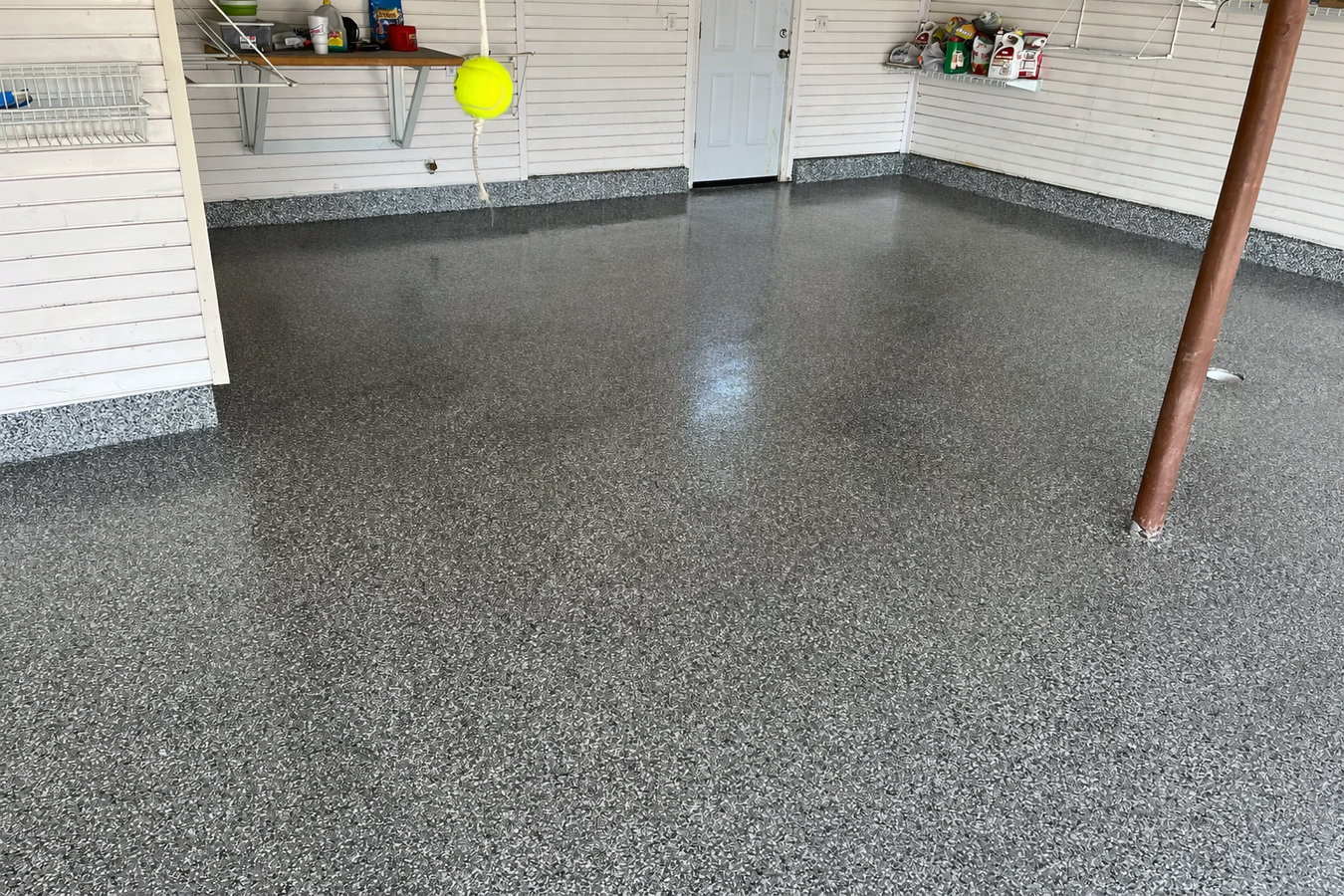
Your garage floor takes a beating from cars, tools, and Maryland winters. We replace and pour garage floor slabs the right way - proper base prep, correct thickness, and curing done correctly.
Garage floor concrete in Fort Washington means removing the old slab, properly compacting the base beneath it, pouring fresh concrete at the correct thickness, and finishing it so it cures into a hard, level surface built to handle cars and Maryland winters - most residential jobs take one to three days of active work, with a full week before you can park on it.
Many Fort Washington homes were built between the 1960s and 1990s, and original garage floors from that era are reaching the end of their lifespan. If your floor is cracking, flaking, or pooling water, the issue is often the base underneath - not just the surface. A patch job on a compromised base buys you a year or two at most.
If you are also thinking about the look of your garage floor, our decorative concrete service covers finishing options like epoxy coatings and stained surfaces that turn a plain gray slab into something you actually want to look at.
If one side of a crack sits higher than the other, the slab is moving - not just settling. In Fort Washington's clay-heavy soil, this kind of differential movement is common and tends to get worse over time. A crack you can fit a quarter into is worth having assessed before it becomes a much bigger problem.
If the top layer of your garage floor is chipping off in thin flakes - especially after a cold Maryland winter - the concrete has been damaged by freeze-thaw cycles. Water seeps into surface pores, freezes, expands, and chips the surface from the inside out. Once flaking starts, it typically accelerates each year.
A properly poured garage floor slopes slightly toward the door so water drains out. If you see puddles forming in the middle or back of your garage after washing a car or after rain, the floor has settled unevenly. Standing water accelerates concrete deterioration and works its way under the slab, making the soil movement problem worse.
Many Fort Washington homes have original garage floors from the 1970s and 1980s. Even if the surface looks okay, older slabs often have internal cracking, weakened edges, and compromised bases that are not visible until something serious happens. If your home is from that era and the floor has never been replaced, a professional assessment is worth doing now.
We handle full garage floor replacements from start to finish - demolition and haul-away of the old slab, base compaction with gravel fill, formwork, pouring, and finishing with control joints and the correct surface texture for a garage. For homeowners who want a finished look beyond plain gray concrete, we also offer decorative concrete options that turn a basic slab into a clean, polished surface. Every replacement includes proper base prep for Fort Washington's clay soils and a concrete mix suited to Maryland's climate.
If your slab is structurally sound but you want more than a plain gray floor for a workshop or utility space, our concrete floor installation service covers interior pours to spec. For homeowners still deciding between a full replacement and a resurface, we assess the slab in person before recommending anything - a resurface on a compromised base is a delayed expense, not a solution.
Best for homeowners with cracked, settling, or aging floors where patching or resurfacing is not a lasting fix.
Suited for structurally sound slabs with surface staining, minor flaking, or cosmetic wear that does not affect the base.
The standard for most garages - a slightly textured surface that provides traction, sheds water well, and holds up to daily vehicle use.
A cleaner, denser surface suited for workshops or garages used more for storage and projects than daily parking.
Fort Washington sits in a climate zone where temperatures regularly drop below freezing in winter and climb into the 90s in summer. That repeated freeze-thaw cycle damages concrete surfaces - water seeps into tiny pores, freezes, expands, and chips the surface from the inside out. On top of that, Prince George's County has significant areas of expansive clay soil. Clay absorbs water and swells, then shrinks when it dries out, pushing against the underside of your slab every single season. A garage floor built for this area needs a concrete mix designed for freeze-thaw conditions and a gravel base layer that does not hold moisture against the slab.
Homeowners in Oxon Hill and Temple Hills deal with the same soil and climate conditions as Fort Washington - concrete work done in these communities has to account for clay-driven slab movement and Maryland's seasonal temperature swings. A contractor who works only in warmer or less clay-heavy regions may not take the base preparation steps seriously enough. Getting this right upfront is far less expensive than dealing with a slab that starts cracking again two or three years later.
Call or fill out the form and we will get back to you within 1 business day - usually sooner. We ask a few basic questions about your garage and schedule a time to come look at the floor in person before quoting anything.
We walk your garage, check the existing slab for soil movement and drainage issues, and give you a written estimate with a full breakdown. We also handle the Prince George's County permit application so you do not have to.
The crew removes the old slab, hauls the debris, compacts the base with gravel fill, and pours the new concrete - typically in one continuous day. You will need the garage completely cleared before the crew arrives.
After the pour, foot traffic is okay after 24-48 hours, but keep cars off for at least 7 days. We walk the finished job with you before closing out and give you written care instructions so you know exactly what to do next.
Free on-site estimate. We handle the permit. No surprise charges.
(301) 872-6637Fort Washington's clay-heavy ground is one of the main reasons garage floors crack prematurely here. We account for it on every job - compacting the base correctly and using a gravel layer that does not trap moisture against the slab. That step is what separates a floor that lasts from one that starts cracking again in a few years.
A full garage floor replacement requires a building permit in Prince George's County, and we pull it for you. Your project is fully documented, inspected, and on record - which protects you now and when you sell your home. You do not have to make a single call to the county.
We hold a valid Maryland Home Improvement Commission (MHIC) license, which is required for home improvement work in the state. You can verify any contractor's license status on the Maryland MHIC website before signing anything.
Not all concrete mixes handle freeze-thaw cycles equally. We use mixes appropriate for Maryland's climate conditions, with correct air entrainment and water-cement ratios so the surface stays intact through years of cold winters and hot summers - not just the first season.
Every garage floor we pour is backed by proper base work, correct materials, and a permit that protects your investment. If something is not right when we walk the job with you, we address it before we leave.
Upgrade your garage floor with stamped, stained, or polished finishes that combine durability with a finished look.
Learn MoreInterior and commercial concrete floors poured to spec for workshops, basements, and utility spaces.
Learn MoreSpring and fall booking slots fill fast in Prince George's County - call now or request a free estimate online to lock in your date before the best installation window closes.