Serving Fort Washington, MD and surrounding areas. (301) 872-6637
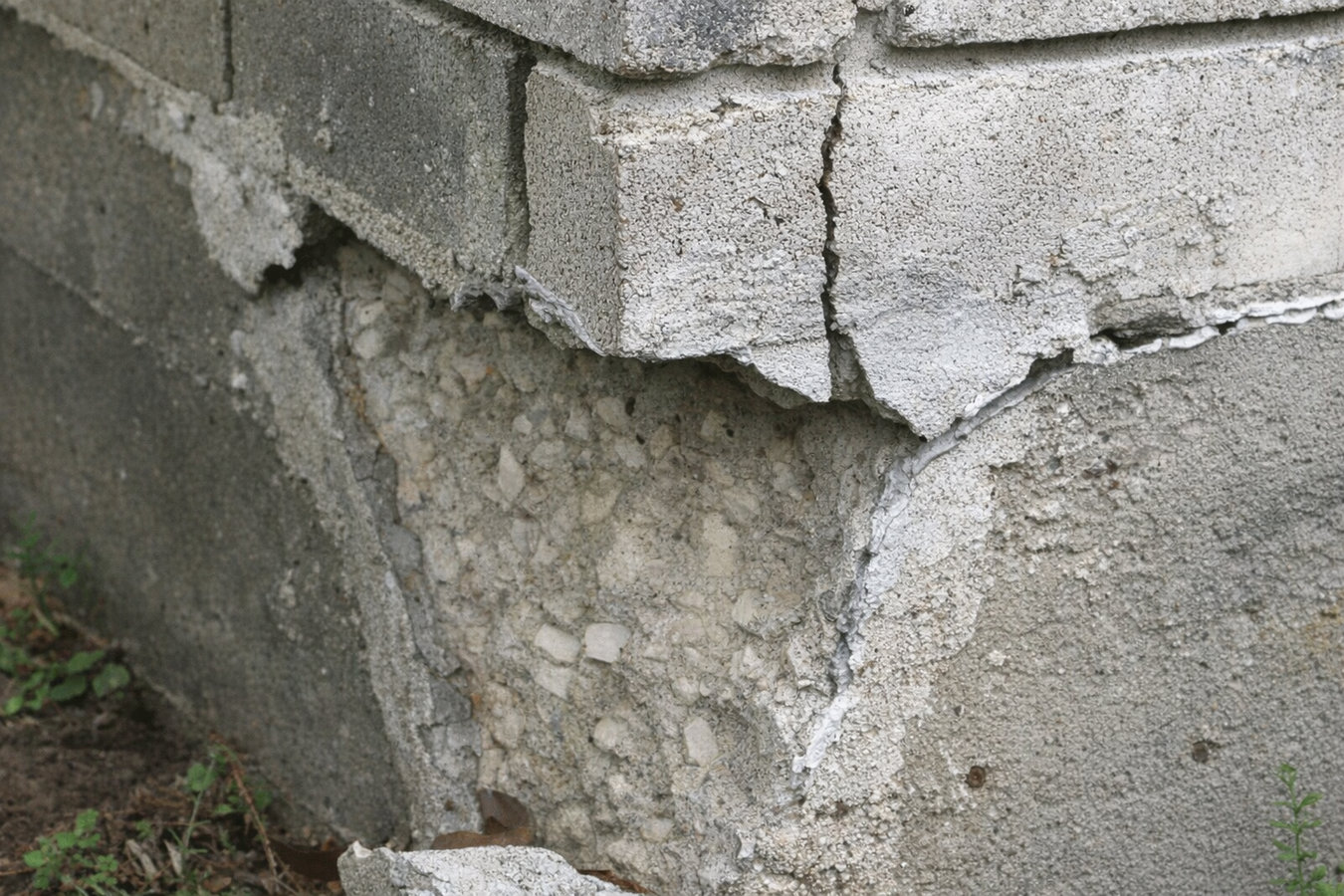
A sunken slab is not just an eyesore. It signals that the soil underneath has shifted, and the longer you wait, the worse it gets. We lift and stabilize your foundation before the next wet season makes it worse.
Foundation raising in Fort Washington lifts a sunken concrete slab back to its original level position by pumping material - a cement-soil slurry or polyurethane foam - beneath it to fill the void underneath. Most residential jobs are completed in a single visit, often in just a few hours.
If your garage floor slopes, your porch slab has dropped, or you have noticed new gaps along the base of a wall, the soil beneath the concrete has likely shifted. Fort Washington sits on clay-heavy ground that swells and shrinks with every wet and dry cycle, which makes foundation movement more common here than in areas with more stable soil. Catching it early keeps a manageable repair from turning into a full replacement. If the damage is severe, we can also discuss concrete cutting to remove and reset sections that cannot be lifted cleanly.
Homes built between the 1950s and 1980s - common throughout Fort Washington - are especially prone to this kind of settling, since soil compaction standards from that era were not as thorough as what is done today.
When a foundation shifts, door frames and window frames shift with it. If a door that used to swing freely now drags on the floor or a window that opened easily now sticks, the floor or foundation beneath it has moved. This is one of the first things homeowners notice, and it is worth taking seriously rather than assuming the door just needs adjustment.
Fort Washington gets significant rainfall in spring, and the clay soil absorbs a lot of that water before slowly releasing it. If you notice new cracks in your drywall, along the base of walls, or across a concrete floor after a particularly wet winter or spring, the soil underneath may have shifted. Cracks wider than a quarter-inch or cracks that grow over time deserve a professional look.
Walk across your garage floor, basement floor, or any concrete patio and pay attention to whether it feels level. If you notice a slope - even a gentle one - or if water pools in the middle of the slab after rain rather than draining toward the edges, the slab has likely settled unevenly. This is a straightforward sign that foundation raising may be the right fix.
If you can see a gap between your garage floor and the wall, between a porch slab and the house foundation, or between a sidewalk section and the curb, the slab has dropped. In Fort Washington's older neighborhoods, these gaps often open up gradually over years as the clay soil beneath slowly compresses. A gap of more than half an inch is a clear signal to call a contractor.
We offer two primary methods for lifting sunken slabs: mudjacking and polyurethane foam injection. Mudjacking pumps a cement-and-soil slurry beneath the concrete - it is proven, cost-effective, and the right call for many residential jobs. Polyurethane foam injection uses a lightweight expanding material that cures in minutes rather than hours, leaving smaller holes in the surface. Both methods close the void beneath the slab and push the concrete back to level. If the slab is not a good candidate for lifting, we will say so and talk through other options, including concrete cutting for removal or slab foundation building for a full replacement.
We also assess the drainage and soil conditions around every slab we lift. Fort Washington's mature tree canopy means root pressure is often a contributing factor - roots grow toward moisture and can gradually displace the soil beneath a slab. A repair that ignores that cause is likely to need repeating. We point out what we see and let you decide how to proceed.
Best suited for larger slabs where cost is the primary concern and a slightly longer cure time is acceptable.
Ideal for homeowners who need a faster cure and prefer smaller patch holes in finished concrete surfaces.
Recommended whenever root pressure or poor drainage is suspected as a contributing cause of the settling.
An honest assessment of whether your slab is a good candidate for raising or whether replacement makes more sense.
Fort Washington sits on the Maryland Coastal Plain, where the soil is heavily clay-based. Clay swells when it gets wet and shrinks when it dries - and that cycle repeats every year. The area averages around 40 inches of rainfall annually, with wet winters and heavy spring rains that push moisture into the ground around every slab. Over time, that movement compresses and shifts the soil, creating the voids that cause concrete to drop. Homeowners in Oxon Hill and Temple Hills face the same conditions - it is a regional pattern, not an individual property issue.
Much of Fort Washington's residential development happened between the 1950s and 1980s, and the homes built during that era were constructed on soil compaction standards that were less rigorous than what contractors follow today. Add in the mature tree canopy throughout established neighborhoods - where roots actively seek moisture and can gradually displace soil beneath slabs - and it becomes clear why foundation settling is a routine part of homeownership here. The good news is that most slabs caught before they crack apart are good candidates for lifting. Acting before the next wet season is the simplest way to keep the cost manageable.
When you call, we ask a few basic questions - what kind of slab has sunk, roughly how much it has dropped, and whether you have noticed any cracking. We reply within 1 business day and schedule a site visit to see the slab before committing to a number.
We walk the area with you, check how far the slab has dropped, inspect for cracking, and assess drainage around the area. This visit usually takes 30 to 60 minutes, and we give you a written estimate in plain language before any work is scheduled.
If your job requires a permit from Prince George's County, we handle that application on your behalf. Permit processing can add a week or two before work begins - we flag this upfront so the timeline is clear.
The crew drills small holes through the slab, pumps material underneath to fill the void and raise the concrete, patches the holes cleanly, and cleans up before leaving. The actual lifting often takes just a few hours, and most surfaces are walkable the same day.
We reply within 1 business day. Written estimate before any work begins. No pressure.
(301) 872-6637Fort Washington's Coastal Plain clay is one of the most common drivers of foundation movement in Prince George's County. We assess soil and drainage conditions as part of every job - because lifting a slab without understanding what caused it to sink leads to the same call two years later.
Foundation work that requires a Prince George's County building permit can stall a project if you do not know the process. We determine whether a permit is needed and submit the application on your behalf, so the paperwork does not become your problem.
We give you a written estimate after the site visit - not a ballpark over the phone. That estimate covers the scope of work, the method we plan to use, and what cleanup is included. No surprise line items when the job is done.
Some contractors will lift a slab that should really be replaced, because lifting pays the same and takes less time. We tell you honestly whether your slab is a good candidate for raising or whether replacement is the better investment. That recommendation is free.
Maryland requires contractors doing home improvement work - including foundation raising - to hold an MHIC license. Hiring a licensed contractor means you have legal protections if something goes wrong, and the work meets state standards. Those two things together - local knowledge and proper licensing - are what separate a repair that holds from one that does not.
When a slab is too damaged to lift cleanly, we cut and remove the affected section so a proper replacement can be poured.
Learn MoreFor slabs beyond repair, we pour a new concrete slab foundation built to current compaction and drainage standards.
Learn MoreFort Washington's spring rains are coming. Get your foundation raised and stabilized before the next wet season makes the problem harder to fix.